
The Ultimate Guide to Winter in Vancouver, Canada
Thanks to its Pacific coastal location, Vancouver rarely sees the deep snow and frigid cold that Toronto, Nova Scotia, and Montreal all experience—but it does bring plenty of rain, gray skies, and a healthy dose of cold temperatures.
In this guide, you’ll find exactly what to expect, what to wear, how to prepare, and things to do during winter in Vancouver.
What To Expect
Let’s explore the typical winter conditions you might encounter from December to March in Vancouver, British Columbia, Canada.
Average Winter Temperature in Vancouver
Winter in Vancouver typically remains above freezing, with highs between 4°C and 8°C (39°F–46°F), and lows around 0°C–3°C (32°F–37°F).
The coldest temperatures are usually experienced at the beginning of January, with the coldest day of the year, on average, falling between 2°C to 6°C.
The highs and lows of any average winter day in Vancouver rarely go below -4°C or above 12°C, which can give you a sense of just how temperate the winters in Vancouver really are.
Snow, Rain, and Storms
Even though winters are technically milder in Vancouver, there’s one thing that stands out in this city: the rain. Rain is the defining feature of Vancouver’s winter, and can make a huge difference in how you experience the temperature. Moisture and wind can make cold feel much worse, and even turn an above-freezing temperature into something dangerous.
Precipitation is consistent in Vancouver throughout the winter months, mostly in the form of rain. You can expect consistent rainfall throughout December to March, with some snowfall typically only in January and February. However, it’s usually light snow that melts away quickly.
Sunrise & Sunset
Winter days are short in Vancouver, with sunrises as late as 8:07am and sunsets as early as 4:13pm. The “shortest” day of the year generally happens on the Winter Solstice, December 21st. After that, daylight hours begin to slowly increase again.
Important Considerations
While Vancouver doesn’t grapple with the extreme cold or snow removal complications that other cities have to consider, there are still some winter season practicalities to keep in mind.
Rain & Slippery Surfaces
Constant rain, dampness, and occasional freezing drizzle mean sidewalks and roads can be slippery, especially near seawalls and parks. Invest in footwear with good traction and be cautious on wet surfaces.
Walking & Commuting
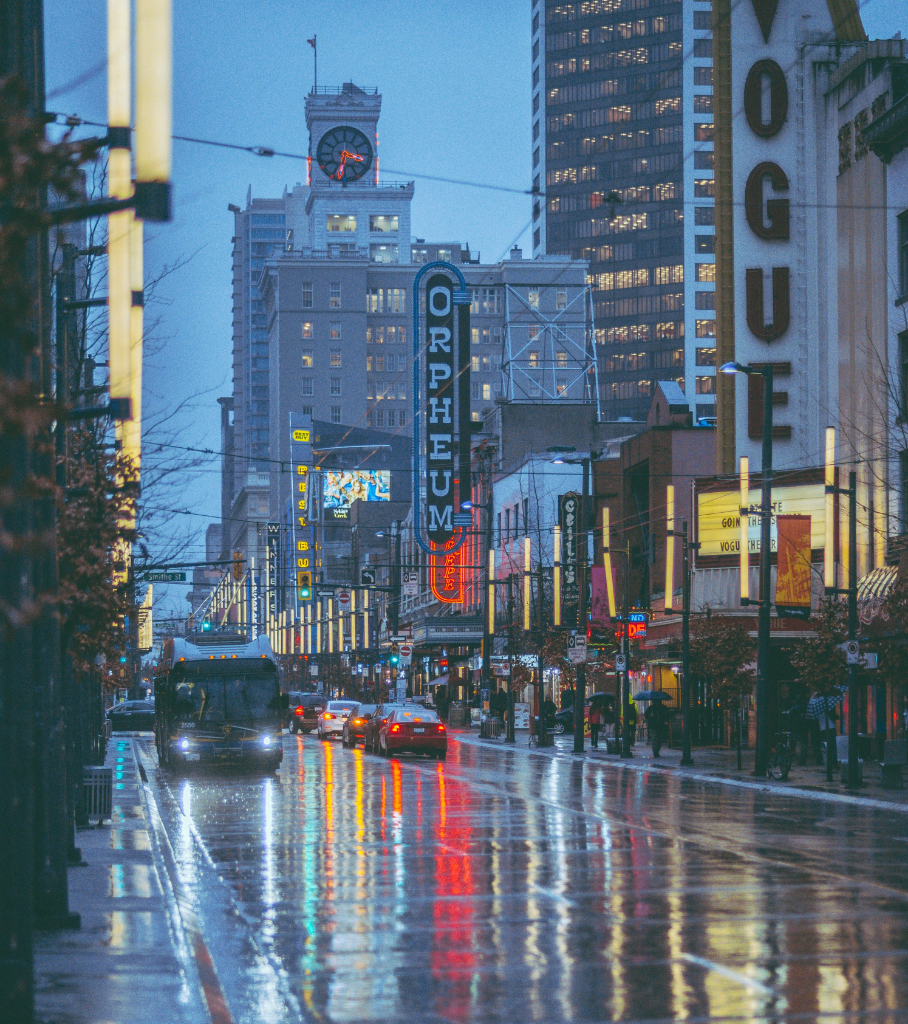
Rain and mixed precipitation can slow transit and make walking less realistic. Planning your routes ahead of time and dressing according to the weather is especially important in the winter months. You don’t want to arrive at your destination soaking wet, or worse, with a severe symptom from cold exposure. Consider investing in winter gear that is reliably waterproof (especially a coat and boots), as well as carrying an umbrella to stay dry.
Drainage & Flooding
Because of frequent rain, low-lying areas can experience minor flooding or water pooling. Keep an eye out for Environment Canada alerts, especially during heavy storms or rainfall. You can also research ahead of time to find out if you live in an area that’s prone to flooding, or to ensure that your home is equipped to handle rainfall. Homes with basements may be especially prone to flooding, so it’s a good idea to check ahead of time.
Preparing For Unexpected Weather
Vancouver may not experience a ton of freezing weather or snow, but it does still happen! Being prepared for unexpected weather and understanding how to handle it is crucial for Vancouverites. A few important tips to keep in mind:
Check the weather forecast & alerts consistently, and always factor in the “Feels Like” temperature to make sure you’re prepared. Wind, rain, and humidity can make mild temperatures feel much colder than expected.
Be cautious when commuting, even if you can’t see visible ice or snow. Rain can quickly freeze during cold snaps, and roads can be slippery even in above-freezing conditions. Drive carefully, opt for slip-resistant footwear, and be vigilant to avoid accidents and slips.
Keep your home warm and dry. Simple tools like dehumidifiers and sealing drafts around doors and windows can make a big difference! Damp cold can seep indoors quickly, so it’s best to put these measures in place ahead of time, even if temperatures seem mild.
What To Wear During Winter in Vancouver
The best advice for winter in any Canadian city is layering. Using multiple layers can allow you to stay warm, but it’s also helpful for quickly changing conditions and varying needs throughout your day.
Start with your base layer of a typical t-shirt or long-sleeved shirt, add middle layers as needed (things like sweaters or thin jackets), and a top layer as a “shell” to wrap everything up.
Your top layer is the most important element, especially in Vancouver. For the best flexibility, choose a good-quality winter coat that is waterproof and warm enough for the coldest winter temperatures. If you want to expand your winter wardrobe, you may want to add a rain jacket. Rain jackets are waterproof, but not always designed for extreme cold. This type of jacket is ideal for milder temperatures, and can be used along with other layers to stay dry without overheating in your winter coat.
Winter accessories like gloves/mittens, hats, and scarves are also important, especially during windy conditions. Covering up as much exposed skin as possible is crucial, and keeping your hands and feet dry goes a long way. It’s also a good idea to have an umbrella on hand most of the time during the winter season in Vancouver.
Winter Shopping Guide for Vancouver
Quality is crucial when it comes to winter attire, and you can use our recommendations to help balance price and quality for your winter gear. We recommend prioritizing your top layer and footwear. Making sure these 2 items are high-quality, warm, and waterproof will set the foundation for your winter wardrobe in Vancouver.
A few recommended brands and stores for winter clothes in Vancouver:
Sorel (Winter boots and footwear)
Pajar (Boots, accessories, outerwear)
Cougar (Winter boots and footwear)
Costco (Great place to shop for affordable snow suits and layers)
Patagonia (Known for great winter coats)
Mentally Preparing for Winter in Vancouver
The mental impacts of winter are often a shock to newcomers, as the shift in weather and changes in daylight may cause shifts in mood. Seasonal Affective Disorder affects up to 15% of Canadians in their lifetime, and many more may experience smaller adjustments during the winter months.
Luckily, there are a few things you can do to help mentally prepare for winter, and stay healthy throughout the season:
Turn on the lights: The science behind seasonal affective disorder and seasonal depression has a lot to do with the decreased exposure to sunlight in winter. One way you can combat this is by aiming to expose yourself to bright lights, especially in the morning time. Turn on your lights first thing in the morning, opt for a light therapy lamp, and try to get sunlight in your eyes as soon as the sun rises. An important consideration for Vancouver is that you can still get useful light exposure on overcast days. Even if the sun is not visible, getting outside during the day and looking at the sky will still provide the benefits of sunlight.
Consider a Vitamin D supplement: Another aspect of decreased daylight is a decreased production of vitamin D in the body. Many people find that taking a vitamin D supplement in the winter, or even increasing the dose, can improve the symptoms of seasonal affective disorder.
Get outside once a day: In cold, rainy, and overcast conditions, it may be difficult to get excited about going outdoors. However, even just a 10-minute walk outside can help ease your mood and provide the benefit of fresh air and fresh scenery. If it feels difficult to go outside “for no reason,” try planning a winter activity that could inspire you to get outdoors and distract you from less-than-ideal weather.
In the next section, we’ll go over activities and things to do during the winter in Vancouver, which can also help you stay uplifted throughout the season.
Things To Do In Vancouver During Winter
Winter in Vancouver offers a mix of outdoor adventure, seasonal festivities, and cozy indoor experiences. While snow in the city is limited, Vancouver’s unique geography means you’re never far from winter fun.
Winter Sports & Activities
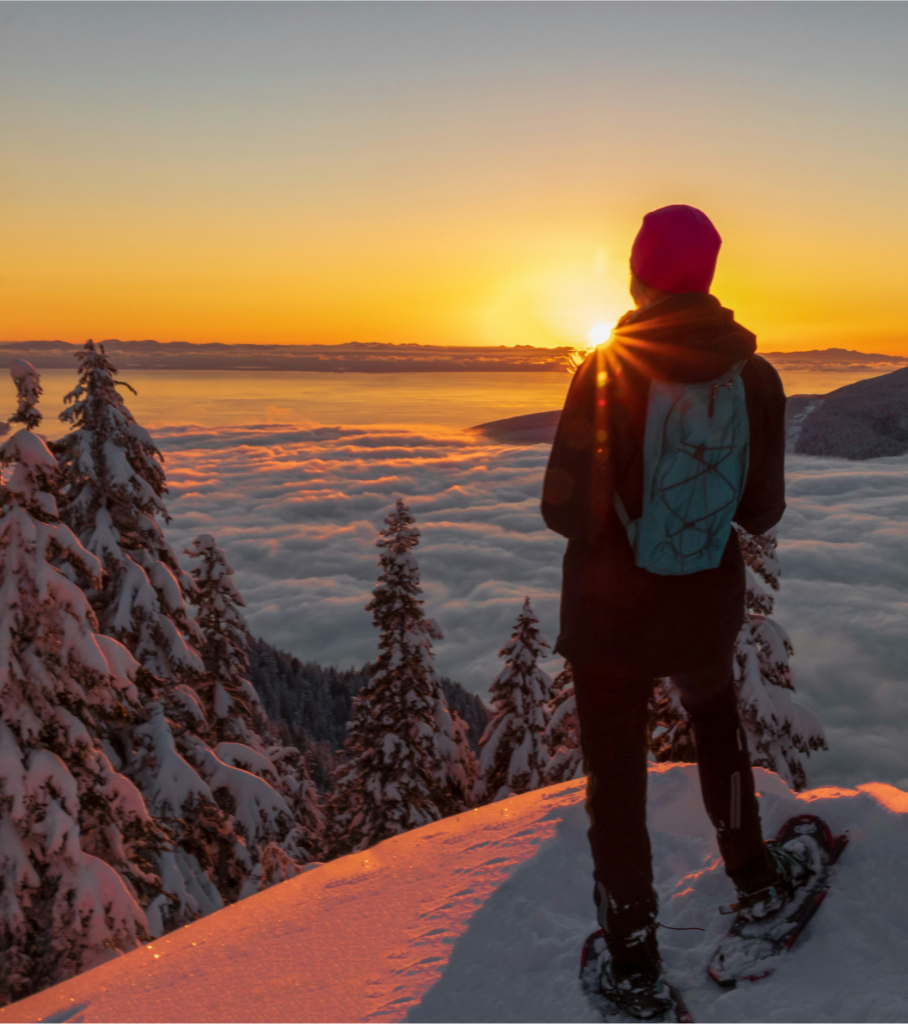
One of Vancouver’s biggest winter advantages is its proximity to the mountains. Within 30–45 minutes of downtown, you’ll find Grouse Mountain, Cypress Mountain, and Mount Seymour, offering skiing, snowboarding, snowshoeing, and winter hiking. Even if you don’t ski, many locals head up simply for the views, dining, or winter walks in the snow.
Capilano Suspension Bridge Park
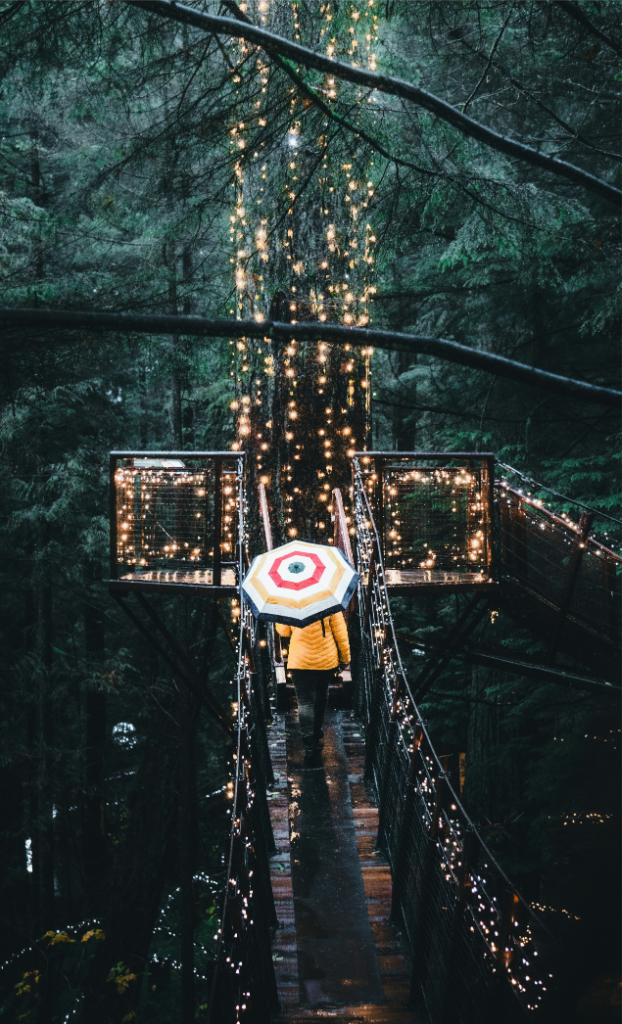
The Capilano Suspension Bridge Park becomes especially magical in winter during its seasonal light displays. Festive installations, illuminated trees, and glowing pathways transform the rainforest into a winter wonderland. You can check out their Events Calendar to find installations that pique your interest, such as the “Love Lights” installation from January 30th to February 22nd, 2026.
Even outside of holiday events, winter is a quieter time to visit, making it ideal for those who prefer fewer crowds.
Dine Out Vancouver Festival
January brings one of Vancouver’s most anticipated winter events: Dine Out Vancouver Festival. In 2026, the festival runs from January 21st to February 8th. During this time, restaurants across the city offer special, curated prix-fixe menus spanning a wide variety of cuisines. It’s an ideal time to explore Vancouver’s diverse food scene and a perfect excuse to get out during the quieter winter months!
Vancouver Christmas Market
Running through late November and December, the Vancouver Christmas Market adds a distinctly European flair to the city’s winter season. Visitors can enjoy festive lights, artisan vendors, seasonal treats, and warm drinks, all set against a cozy holiday atmosphere. It’s a favourite for both locals and newcomers looking to embrace the holiday spirit.
Frequently Asked Questions
Which is colder, Vancouver or Toronto?
Toronto is colder than Vancouver. Vancouver’s winter is significantly milder than Toronto’s, with far fewer days below freezing and less snow accumulation. Toronto sees deeper cold snaps and heavy snow far more regularly.
What month does it snow the most in Vancouver?
It snows the most in the month of January in Vancouver, but even then, snow is light and usually melts quickly.
Conclusion
With the right gear and local know-how, a Vancouver winter can be one of the most rewarding and vibrant times to experience the city! Enjoy the milder climate, explore nearby destinations to get your share of snow and winter activities, and take the winter season as an opportunity to experience more of what the city has to offer.
