The Newcomer’s Guide to Canadian Winters: Tips, Tricks, and Everything You Need to Know
Canada is known around the world for its cold winters, which can be intimidating for many newcomers. Whether you’re used to a warmer climate, or just experiencing a true Canadian winter for the first time, the unknowns can be overwhelming.
In this guide, we’ll cover everything you need to know about winter in Canada, how to stay warm and safe, and the tips and tricks that Canadians embrace to thrive during the winter season.
What to Expect
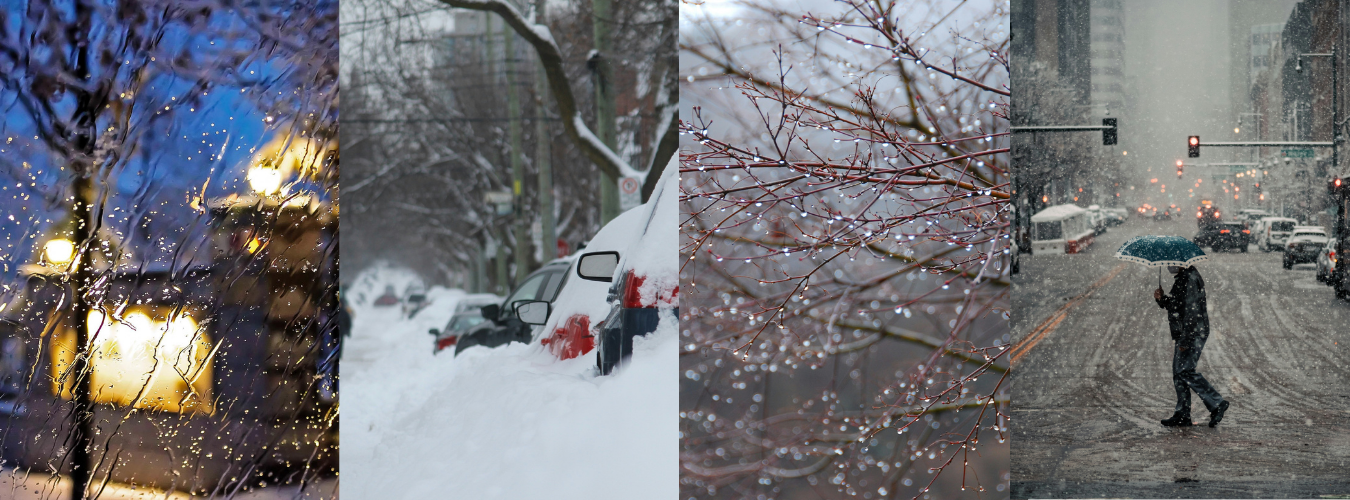
It’s important to remember that winter conditions vary greatly depending on your location within Canada. The average winter day in Vancouver is completely different compared to the average winter day in Toronto, Calgary, or Halifax.
However, you can reliably expect a few key winter characteristics, no matter where you are. We’ll cover exactly how to handle these basics, and how to adapt your planning according to your region’s specific winter conditions.
Cold Temperatures
Across most of Canada, winter temperatures typically range between –5°C and –20°C, though it’s not uncommon for colder snaps to dip below –30°C, especially in the Prairie provinces and northern regions. Coastal areas like Vancouver tend to stay milder, often hovering just above freezing, while inland and northern cities can experience extended stretches of sub-zero weather.
Snowfall and Winter Storms
Snow is a defining feature of the Canadian winter for most regions, with moderate to heavy snowfall common from November through March. Cities in central and eastern Canada, such as Toronto, Ottawa, and Montreal, can see 100–250 cm (40–100 inches) of snow annually, while places like Vancouver experience more rain than snow. Occasional winter storms may bring strong winds, freezing rain, or blizzard conditions that can disrupt travel and daily routines.
Shorter Days and Reduced Sunlight
In the winter months, sunrises happen later and sunsets happen earlier. While exact timing varies by location, the days start getting gradually shorter starting around June 21st (Summer Solstice), all the way until December 21st (Winter Solstice). December 21st is known as the shortest day of the year, after which the days will start to get gradually longer. You’ll probably notice the most drastic changes in sunlight from the end of September (Fall Equinox) to the end of December.
What to Wear
As temperatures get colder, it’s crucial to have clothing that’s designed to withstand the elements. We recommend adding high-quality winter attire into your budget ahead of time, especially if you’re located in a city that experiences extreme weather.
Winter gear can get expensive, so we’ll point out a few of the most important features to look out for and which items to prioritize. You can also skip ahead to our shopping guide, which has recommendations for reliable brands at a variety of price points. The good news is that, although expensive, many winter items will last a lifetime!
Winter Coat
The most important item of your winter wardrobe is a winter coat. Prices for a good-quality coat can range from $100 to $500+, and should be prioritized in your budget.
Remember that you will likely be wearing this coat every day for several months, so you will want to pick one that is comfortable, high-quality, and warm.
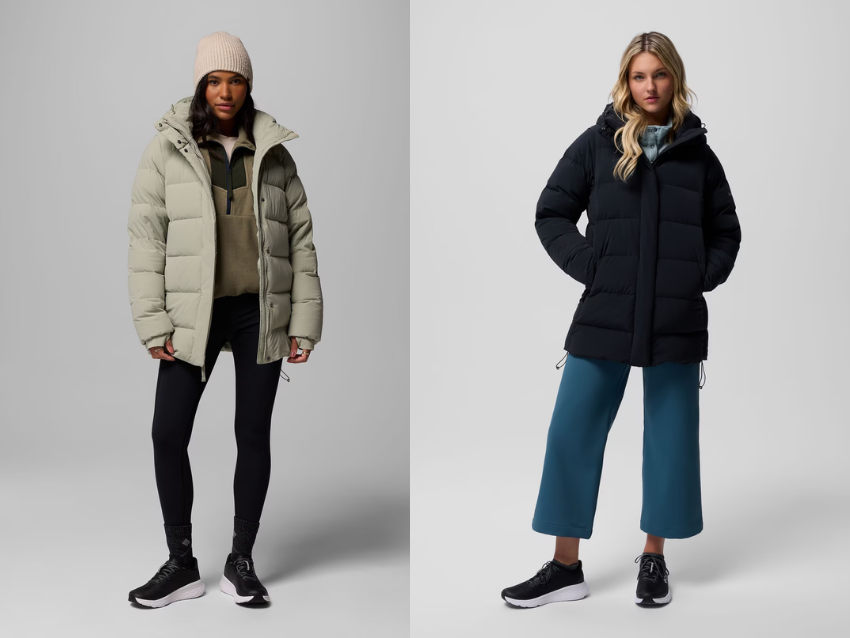
The most important features to look for include:
Weather-resistant shell (waterproof or water-resistant) to protect against wind and precipitation
Adequate insulation with down or synthetic fill for optimal warmth
A hood to shield your head from the wind
A covered zipper to prevent cold air from seeping in
A collar that zips high to protect your neck and chin
Winter coats also come in several different length options: waist lengths, hip length, thigh length, all the way down to ankle-length parkas. While every length has its applications, we recommend opting for a mid-length coat (one that reaches slightly below your hips or to your mid-thigh).
This type of coat will allow for optimal coverage and warmth, while still being versatile for everyday wear. Steer clear of cropped or waist-length coats as your first choice, since these can allow cold air to seep in and aren’t ideal for extreme conditions or the coldest winter days.
Winter Boots
Winter boots (also called snow boots) offer insulation, traction, and waterproofing in snowy and cold environments.
If you plan to participate in any winter activities, boots are essential to stay warm and dry—but they’re also important for everyday life. Winter boots add traction to avoid slipping and falling on icy terrain, and are useful even for short commutes in the winter months.
Reminder: If you’re commuting to an office or a workplace, you’ll likely need to store or pack a pair of “indoor” shoes to change into once you arrive. Winter boots are typically not ideal to wear indoors for long periods of time, and can track snow and water onto the floor.
When choosing a pair of winter boots, consider the following key features:
Insulation: Opt for boots with materials like fleece, Gore Tex, or Thinsulate to provide added warmth in cold weather.
Waterproof or Water-Resistant: Buy boots made with waterproof or water-resistant materials to keep feet dry, especially for children.
Traction: Look for deep treads or lugs on the outsoles for excellent grip on icy or snowy surfaces. Boots with rubber or thermoplastic rubber (TPR) outsoles offer optimal traction.
Padding and Cushioning: Choose boots with padded insoles or midsoles for enhanced comfort during prolonged wear.
Warm and Insulated Linings: Prioritize boots with fur, fleece, or thermal linings that trap heat and maintain warmth.
Adjustable Features: Opt for boots with adjustable laces, straps, or buckles for a secure and customizable fit.
High or Mid-Cut Design: Consider boots with a higher or mid-cut design to provide ankle support and shield from snow, slush, and cold winds.
Removable Liners: Some snow boots feature removable liners for easy cleaning or customization of insulation based on weather conditions and activities. Brands like Sorel offer boots with removable and washable sherpa linings, which are worth exploring.
Winter Accessories
Smaller winter accessories like gloves, mittens, hats, and scarves are absolutely crucial for your winter preparedness.
Even if you’re only outdoors for short periods of time, these accessories can add significant warmth and protection from the elements. Cold hands and feet can quickly dampen spirits, particularly for children, so these accessories are important to consider.
For all winter accessories, we recommend opting for merino wool or cotton blends. Real wool can be itchy and uncomfortable, especially when worn for longer periods of time.
Mittens and Gloves
Mittens will allow you to keep your fingers together, while gloves separate them. Mittens are often preferable to children, but there are a few other factors to consider when choosing your hand protection:
Insulation: Choose between down or synthetic insulation. Down is lightweight, durable, and breathable, while synthetic insulation insulates well when wet and dries quickly.
Waterproofing: Look for gloves or mittens with a waterproof and breathable barrier to protect against moisture from snow and rain. Consider brands such as Gore-Tex®, Marmot MemBrain®, or The North Face HyVent® for their effectiveness.
Coverage: Buy mittens/gloves that have a large “cap” at the wrist that overlaps with the sleeve of the coat.
Try to balance out price and quality – gloves and mittens are easily lost!
Scarves and Hats
For scarves and hats, quality is less important. These accessories help to minimize the amount of skin exposed to cold air and wind, so many different styles and materials will work. We recommend choosing versatile options that work for your everyday life.
Snow Pants
Snow pants are insulated pants made of similar materials as winter coats, and come with adjustable suspenders to improve fit and comfort.
Snow pants aren’t typically necessary for daily life, but they are useful for outdoor activities like skiing, snowboarding, winter hikes, tobogganing, or just playing outside in the snow.
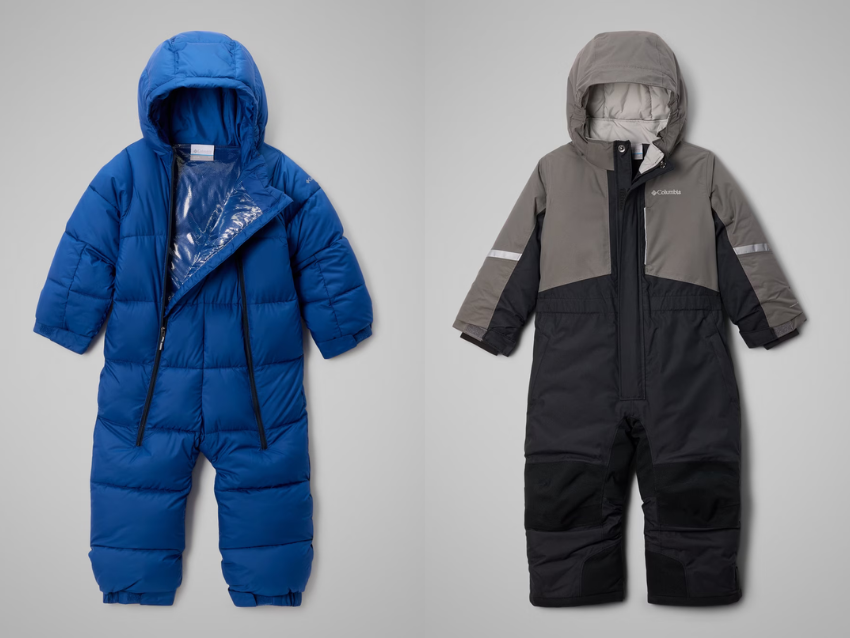
For children, snow pants or a snow suit (which consists of a winter coat and pants together) are useful. Snow suits are designed to provide all in one insulation, waterproofing, and comfort during winter activities, essential for children playing in the snow.
Layering
No matter what equipment or clothing you have, the key to staying warm is a trick called layering. Layering can help you deal with fluctuating and unpredictable weather, and be helpful in a pinch if you don’t have high-quality winter gear to rely on.
Plan your layers using the following guidelines:
Base layer: Your base layer should consist of thin, wicking fabric to eliminate sweat while participating in physical activities. Choose a base layer thickness based on your specific activities, keeping in mind that lighter options are often better as other layers also contribute to warmth. Although a base layer is not typically necessary for work or school, it proves valuable during outdoor activities such as winter walks, tobogganing, or skiing. Oftentimes, “long underwear” or “long johns” are used as a base layer in the winter.
Middle Layer: Your middle layer should consist of a fleece or sweater. This layer provides additional insulation and can be added or removed as needed.
Outer Layer: The outer layer, also known as the shell, varies depending on your activity. For activities like skiing in March, a lighter shell may be appropriate, while a heavier winter coat is recommended for colder temperatures. Regardless of the conditions, the outer layer should be the one with the most sturdy, resistant fabric.
Understanding Seasonal Depression
Seasonal depression is a type of depression that affects up to 15% of Canadians. This phenomena is formally referred to as Seasonal Affective Disorder (SAD), and is primarily caused by the changes in sunlight exposure during winter.
Even those who are not diagnosed with SAD, or who experience less severe symptoms, may feel some form of “winter blues”. That’s why it’s important to understand why it happens and some of the strategies you can use to feel better.

What Causes Seasonal Depression?
The main physiological cause of seasonal depression is the decrease in sunlight exposure. The change in lighting disrupts your circadian rhythms, which can lead to a decrease in serotonin levels, and symptoms like sadness, social withdrawal, low energy, difficulty concentrating, and more.
While the sunlight is the main factor, other aspects of winter like cold/extreme weather and a natural reduction in social outings can make an impact, too.
Tips For Dealing With Seasonal Depression
The good news is that seasonal depression is a well-studied experience, and there are strategies you can use to manage it.
Prioritize Daylight Exposure
Aim to get as much natural sunlight as possible in the winter months to minimize the impact on your circadian rhythm.
The cause of seasonal depression is not related to a specific amount of sunlight, but actually the difference in sunlight compared to what your body is already accustomed to.
This means that just by making a conscious effort in the winter months, your body may experience less of a change. For example, prioritize getting outdoors every day for the sun rise, and adding some extra outdoors time before the sun sets.
Light Therapy
If your schedule makes it difficult to increase natural light exposure, or you’re already getting as much sunlight as possible, you can use artificial light sources as a form of “light therapy”.
Artificial light is not as bright or effective as the sun, but it can still make a difference. Be sure to opt for light therapy lamps that are UV-free and have a brightness of 10,000 lux or more. You can use these types of lamps to mimic an earlier sunrise and a later sunset, using it as soon as you’re awake and after the sun sets.
Even if you don’t purchase an actual “light therapy” product, try turning on as many bright lights as possible during the hours you’re awake before and after the sun.

Maintain Social Connections
With limited daylight and difficult weather, it’s natural for many people to have less social outings during the winter months. However, making an effort to maintain social connections is crucial for dealing with any kind of depression. Consider:
Explore winter-specific activities like holiday markets, ice skating, or tobogganing
If you don’t want to go outside, consider searching for virtual events and planning phone calls with friends and family to stay connected
Look for opportunities to connect in your existing environments. For example, you can inquire about activities going on at your gym, office, or school
Take a Vitamin D Supplement
Low sunlight exposure during winter months often results in Vitamin D deficiency, which can further increase the symptoms of seasonal depression or SAD. Many Canadians opt to take a Vitamin D supplement during the winter months to avoid this. Vitamin D is cost-effective and widely available at most grocery stores and pharmacies. You can also increase your levels of Vitamin D by consuming foods like eggs, fatty fish, and even mushrooms.
Fun fact: You can expose mushrooms to sunlight before cooking to boost their levels of Vitamin D!

Professional Help for Seasonal Depression
Remember that you can always seek professional help for seasonal depression, and that you are not alone.
If you experience severe or persistent symptoms, it’s important to consult a healthcare provider. Signs that you may need professional assistance include an inability to perform daily tasks, persistent feelings of hopelessness, thoughts of self-harm, or significant changes in sleep or appetite.
Don’t hesitate to ask your doctor for support or referral to a specialist, explore workplace support options, or check out mental health resources online:
Kids Help Phone: Provides 24/7 support for children, teens, and young adults. Offers texting, phone, and live chat services.
Talk Suicide Canada (988): Provides crisis support for individuals struggling with suicidal thoughts or emotional distress.
Canadian Mental Health Association (CMHA): Offers various programs and counseling services.
Winter Weather Risks & Safety
Staying warm is not just about comfort, it’s about safety. Every year in Canada, there are more than 125 cold-related deaths, and hundreds of cold-related hospitalizations and injuries. Understanding the common risks and how to deal with extreme weather conditions can help you stay safe.
What Are Winter Weather Alerts?
It’s a good idea to be aware of winter weather alerts and make a habit of checking each day before you leave home. This will allow you to prepare and dress accordingly, and understand potential risks. Watch out for alerts issued by Environment Canada, such as:
Winter storm watch: This alert means that harsh conditions may develop. During a winter storm watch, you should be attentive, keep an eye on conditions, and consider running any necessary errands in case extreme weather does develop.
Warning: This alert means that hazardous conditions are expected. You should avoid non-essential travel during a winter storm warning.
Advisory: Advisories can alert you of specific weather conditions to expect, such as fog, blizzards, freezing rain, and more. During an advisory, you can research the expected conditions and adjust your plans accordingly to stay safe.
What Is “Wind Chill”?
Wind chill (or the wind chill index) helps to estimate a more accurate temperature that the human body feels, combining actual air temperature with the effect of wind.
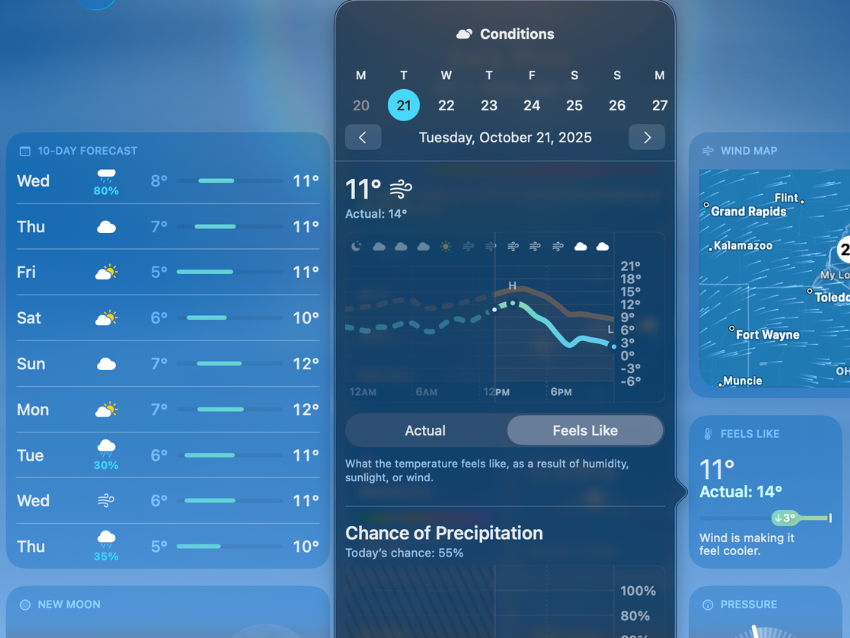
When the wind blows, it removes heat from your skin faster, making it feel much colder than what the thermometer shows. For example, if the air temperature is –15°C but the wind chill makes it feel like –25°C, your body will lose heat as though it’s actually –25°C outside. This increases your risk of frostbite, hypothermia, and other cold-related issues.
During the winter, you should never rely on the air temperature alone—always check the wind chill and pay attention to changing conditions while you’re outdoors.
What Temperature Becomes Dangerous?
According to the Government of Canada, “Your risk of health effects like windburn and frostbite increase at wind chill values below -27”.
At this temperature, frostbite can occur in under 30 minutes and your risk of hypothermia increases. However, it’s important not to rely on specific numbers to avoid cold-related injuries—frostbite can occur at much lower temperatures, and the cold’s impact on your body can be heavily affected by the wind, moisture levels, and other factors.
Tips for Avoiding & Treating Cold-Related Illness
Cold-related illnesses are caused by over-exposure, so it’s important to plan your winter travels carefully, dress appropriately, and stay indoors when it’s necessary.
Keep in mind that children, older adults, and people who struggle with chronic illnesses may be more vulnerable to the cold.
Be aware of weather conditions: Always check the temperature, wind chill index, and other alerts before going outside. Avoid non-essential travel during serious weather warnings or extreme cold.
Be attentive in any temperature below -10° Celcius: Limit time outdoors and avoid skin exposure, especially on windy days.
Understand the early warning signs of frostbite: Numbness, pale or hard skin, and tingling are warning signs. Get indoors and gently warm the area with body heat or lukewarm (not hot) water.
Understand the early warning signs of hypothermia: Shivering, slurred speech, confusion, and drowsiness signal that body temperature is dropping dangerously. Seek medical help immediately.
Minimize risks: If you’re outdoors during cold weather, minimize your risks by staying dry, avoiding overexertion and sweating, not consuming alcohol, and covering exposed skin. Each of these things can help your body better retain heat.
Winter Driving Safety
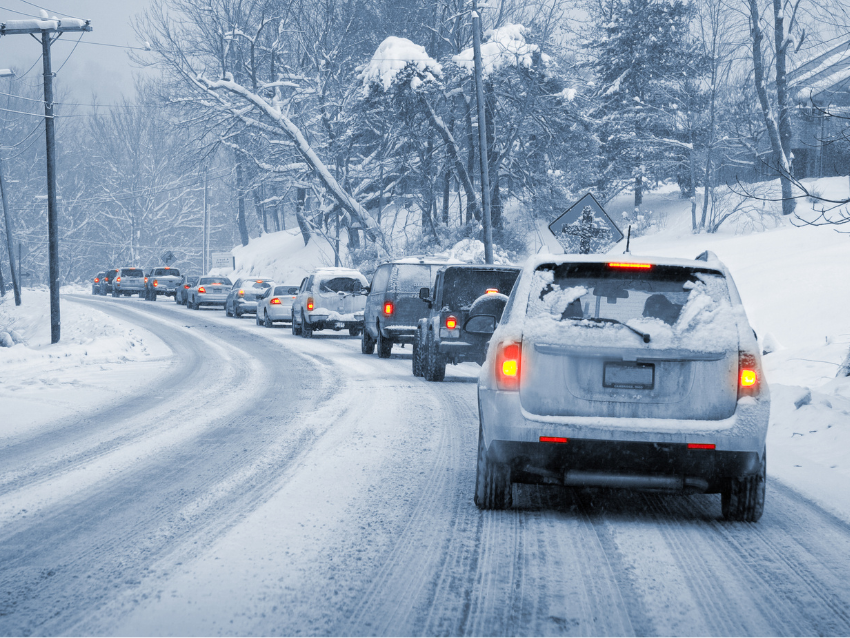
Driving in Canadian winter conditions requires extra caution and preparedness. Here are a few important things to consider:
Be sure to check if winter tires are legally required in your province. Even if they are not required, you may want to consider using them once temperatures regularly fall below 7°C. Winter tires are designed for better traction on ice and snow, which reduces the risk of accidents.
Drive more cautiously than usual, especially when there is snow or rain or if you are not accustomed to driving during winter. Keep a safe distance from other vehicles and accelerate and brake gently.
Always clear the snow and ice from your vehicle before driving. Clearing the snow from all your windows is crucial for visibility, but you also need to clear any buildup of snow from the top of your vehicle. If not cleared, chunks of snow and ice can fly off while you’re driving.
Consider keeping an emergency kit in your car with blankets, flashlights, snacks, and a small shovel. This can keep you safe in the event that your car breaks down or gets stuck in snow or ice.
It’s common for vehicles to get frozen, especially if parked outdoors. Windows, doors, and windshield wipers can get frozen stuck, or your car tires may even get frozen or stuck in a snow bank. In these cases, do not use hot water to unfreeze your car, as it can cause damage or re-freeze and worsen the situation. If possible, park indoors to avoid freezing, and manually break any ice that is visible with a windshield de-icer. You can also start the engine and turn on the heat to help the car defrost.
Winter Shopping Guide
Helpful Winter Supplies & Tools
Snow Shovel: A snow shovel is essential for clearing off your driveway, parking spot, or even your front porch. A portable snow shovel to keep in your car can also be helpful in a pinch, especially if you park outdoors.
Car Winter Emergency Kit: A well-stocked car kit can help you manage any roadside emergencies, which are more common during the winter. You can build your own, or purchase pre-made winter safety kits like this.
Car Seat Warmers: Seat warmers or plug-in heated seat covers make driving more comfortable on freezing mornings, especially if you don’t have a garage. They typically plug into your vehicle’s 12V outlet and heat up within minutes.
Car Ice Scraper & Snow Brush: A car scraper brush is essential and should be kept in your car at all times. These handy tools have one side for scraping ice, and another side for brushing off snow.
Heat Packs: Disposable or rechargeable heat packs can be placed inside gloves, boots, or pockets to keep your hands and feet warm during outdoor activities. They’re especially useful for people with poor circulation or anyone who spends long hours outside. These are commonly sold in many Canadian stores during the winter, including Costco.
Light Therapy Lamp: A light therapy lamp mimics natural daylight and can help ease seasonal affective disorder (SAD) symptoms and boost alertness during dark winter mornings.
Insulation Kits: Inexpensive plastic film kits can help reduce drafts and heat loss in your home. They’re easy to apply and remove at the end of the season.
Where To Buy Winter Clothing
Frequently Asked Questions
What months are winter in Canada?
Winter in Canada typically runs from December to February, though in many regions, winter weather can start as early as November and last into March or April.
When does winter start in Canada?
The “official” first day of winter in Canada takes place on the Winter Solstice, usually December 21st or 22nd. However, winter weather can begin as early as late November.